
- Solutions
Back to Knowledge Center
How Drayage Visibility Gaps Drive Up Dock Labor Costs
Fragmented container data drives demurrage, detention and wasted dock labor. See how drayage lifecycle visibility protects DC labor and margins.
Sep 29, 2026 — 7 Min Read
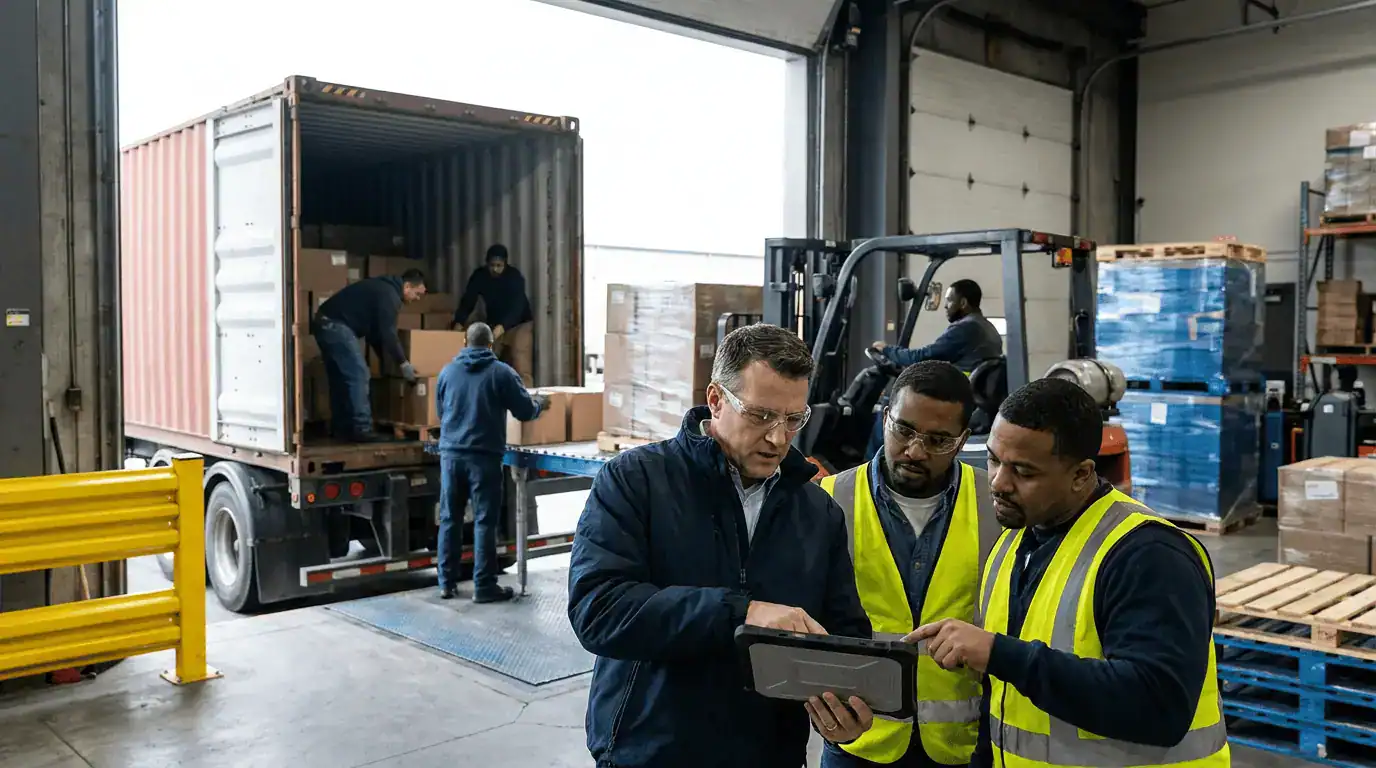
Many operations leaders treat inbound container delays and dock scheduling friction as unavoidable costs of international sourcing. They assume precise drayage visibility ends when freight leaves the overseas port and returns only when the drayage driver pulls up to the gate. That assumption no longer holds.
When warehouse managers work without upstream visibility, the receiving dock turns reactive. Inaccurate estimated time of arrival (ETA) data leads to misallocated labor, yard congestion and demurrage charges.
As we covered in our look at drayage visibility during peak season, visibility only pays off when teams act on it. For inbound containers, that means connecting upstream milestone data to warehouse labor schedules and drayage execution.
Why Do Inbound Container Blind Spots Hurt Distribution Centers?
Inbound container blind spots hurt distribution center (DC) operations because they cut the link between port milestones and warehouse labor scheduling. Supervisors who cannot see terminal status or how cargo sits inside the box cannot match receiving staff to the actual workload.
Many mid-market manufacturers still piece together container status from milestone feeds, steamship line portals, terminal websites and spreadsheets that back-office teams update by hand. When that data lives in separate places, no one has a single, current view of where each box stands. By the time the operations team confirms a box has discharged and cleared customs, the terminal free-time clock may already be running, and the team is scrambling to secure drayage capacity before the last free day.
Palletized vs. Floor-Loaded: The Packaging Blind Spot
Location is only half of visibility. Warehouse leaders also need to know whether a container arrives floor-loaded or palletized, because the two often call for very different labor plans:
- Palletized containers: Forklift operators can often live-unload these relatively quickly, which can free up dock doors and limit how much labor the team pulls from other functions.
- Floor-loaded containers: These typically need more hands and more time, because the crew handles and palletizes individual cartons. Actual unload times and crew sizes vary widely by freight, carton count and facility.
If a supervisor staffs the dock for palletized freight and several floor-loaded containers arrive back-to-back, the receiving dock stalls. Staging areas overflow, outbound pick paths back up and drivers wait long enough to trigger detention charges.
Staffing a full devanning crew for boxes that turn out to be palletized wastes labor in the other direction. When packaging configuration is available upstream, connecting it to the container record and making it visible to the receiving team can improve labor planning before arrival.
How Do Port Holds and Demurrage Erode Margins?
Port holds and demurrage erode margins through daily charges that accrue when cargo cannot leave the terminal before free time expires.
Without timely milestone visibility, administrative holds often stay hidden until a dispatcher tries to schedule pickup. A customs exam or agriculture hold can sit behind a status update that still shows a standard discharge estimate, especially when teams check multiple sources by hand.
The Federal Maritime Commission’s Fact Finding 28 investigation into demurrage and detention practices concluded that focusing terminal operations on notice of actual cargo availability would address many of the conditions that drive these fees. The commission later adopted recommendations from that investigation to guide how it assesses the reasonableness of these charges. The earlier a shipper knows a container is available or on hold, the more free time it keeps.
Month-end and quarter-end spikes make it worse. Teams querying steamship line portals container by container lose bandwidth right when production schedules and customer commitments depend on inbound inventory.
What Happens After the Container Leaves the Dock?
Drayage does not end when the loaded container reaches the DC. After the receiving team unloads a container, per diem charges keep running until the empty returns to the terminal or depot. Empties waiting in the yard for a return appointment add charges to the same invoice the team worked to protect. Managing empty return with the same discipline as inbound milestones, from return appointments to return location changes, closes the loop on accessorial exposure.
How to Manage Inbound Drayage from Port to Receiving Dock
Reliable drayage coverage is the first step. The second is managing the full drayage lifecycle, from container readiness through empty return, so exceptions surface while there is still time to act.
Many high-volume facilities see yard congestion because carriers arrive unannounced or hours early, often because brokers pass along outdated facility contact details. Drivers skip call-ahead rules, back up at adjacent dock doors and force receiving teams to manage staging on the fly.
Proactive appointment management and carrier coordination address this at the source. When pickup and delivery appointments align with the receiving schedule and carriers get accurate facility instructions before dispatch, inbound container activity matches the labor the dock has on hand. A change in container readiness or a new hold prompts an appointment adjustment instead of a surprise at the gate.
Exception management keeps that alignment intact. Instead of waiting for someone to notice a problem, the team gets alerts on holds, delayed pickups, missed appointments and approaching last free days or per diem deadlines, then acts before a charge accrues. That combination of lifecycle visibility and proactive exception handling gives shippers control over demurrage, detention, per diem and other accessorial exposure.
Five Ways to Regain Control of Inbound Containers
- Track every milestone in one place: Monitor vessel ETA, container readiness, holds, last free day, pickup, delivery and empty return on one dashboard.
- Connect packaging details to the container: When palletized or floor-loaded status is available upstream, link it to the container record so the receiving team can plan labor.
- Manage by exception: Replace spreadsheet checks with alerts that flag holds, delays, missed appointments and approaching last free days or per diem deadlines.
- Coordinate appointments with receiving: Schedule pickup, delivery and empty return appointments around dock capacity and give carriers accurate facility instructions.
- Audit every accessorial: Use freight bill audit to check demurrage, detention and per diem charges against actual gate times before you pay.
The Bottom Line on Inbound Container Visibility
Most inbound friction does not start at the dock. It starts with fragmented upstream data that leaves receiving supervisors blind to container configuration, holds and discharge timing. When your team sees container status days before gate arrival, manages appointments and exceptions proactively and tracks each box through empty return, you gain control over demurrage, detention, per diem and other accessorial exposure and stabilize DC labor costs.
Transportation Insight can help you assess your inbound drayage program, close container visibility gaps across the drayage lifecycle and tighten DC execution. Talk to an expert.
Frequently Asked Questions
What is the difference between demurrage and detention?
Demurrage applies when a loaded container stays at the port or terminal past its free time. Detention, often called per diem, applies when a shipper keeps a carrier’s container outside the terminal past the allowed time, including before the empty returns. Definitions vary by contract.
How does floor-loaded freight affect warehouse labor?
Floor-loaded containers usually need more hands and more time to unload, because the crew handles and palletizes cartons individually. Palletized containers typically move faster with forklift equipment. Unload times vary by freight and facility, so knowing the configuration in advance helps supervisors staff the dock correctly.
How can shippers reduce demurrage fees?
Track milestones from vessel arrival through empty return, identify holds early, manage pickup appointments before the last free day, schedule empty returns promptly and audit every accessorial against actual gate times.
What is the last free day?
The last free day is the final day a container can remain at the terminal without demurrage. After that date, daily charges accrue until pickup.
About Author:
More Blogs





On this article:
Sign Up for the TI Newsletter