- Solutions
Back to Knowledge Center
Implementation: The Real Key to Logistics Tech ROI
Logistics tech ROI starts with expert implementation, integration and analytics that turn TMS and freight audit platforms into measurable supply chain value.
Jan 9, 2026 — 4 Min Read
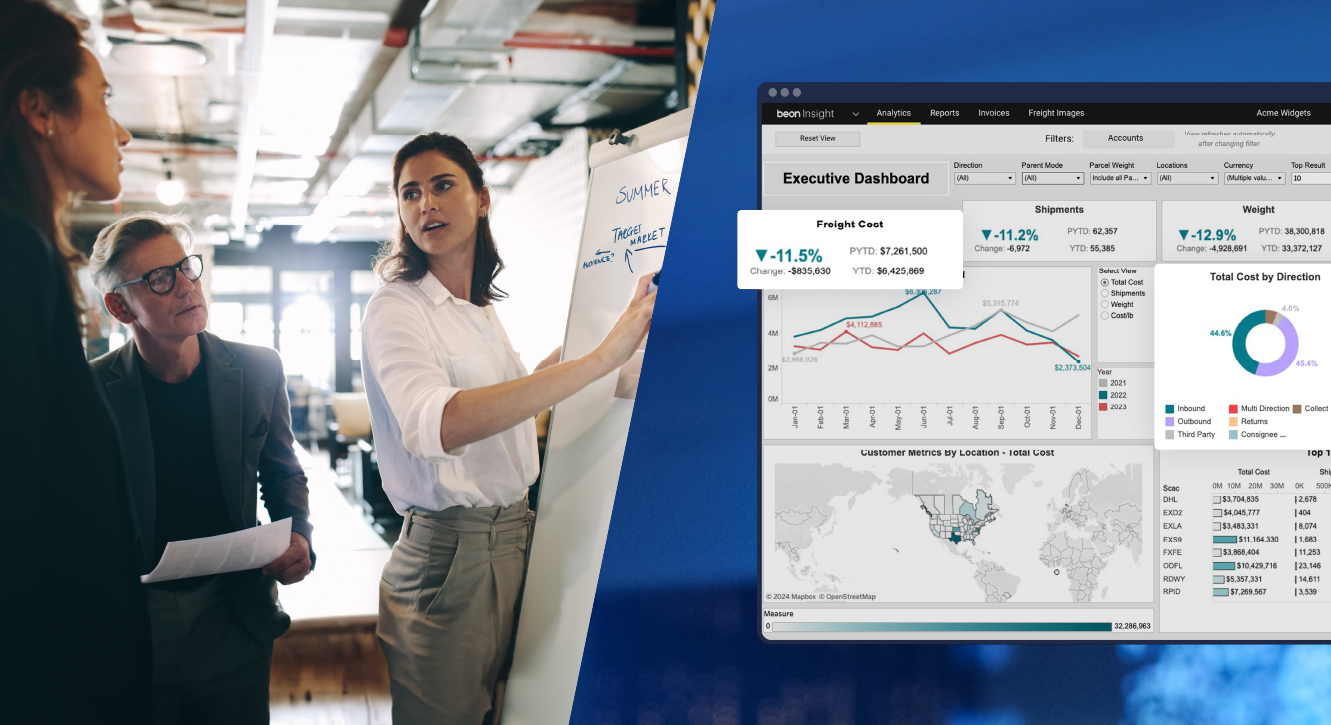
When companies evaluate Transportation Management Systems (TMS), freight audit platforms, parcel audit solutions and Business Intelligence (BI) tools, they often focus on features, functionality and cost. Choosing the right supply chain management technology matters, but the real determinant of success lies in how the company implements that technology.
The best software in the world will not deliver value if no experts guide adoption, integration and ongoing optimization. That is why implementation expertise is just as critical as the technology itself.
Technology Alone Is Not Enough
Modern logistics platforms such as TMS, freight audit tools and BI dashboards are complex systems that manage today’s global supply chains. These tools are not plug and play. Your team must configure them deeply, tailor workflows and integrate them with existing systems like ERPs and WMSs.
Industry research shows that up to 70% of enterprise tech projects fail, not because the tools are bad but because teams struggle with execution, integration and change management.
If you deploy a new platform without experienced implementers who understand both the technology and the logistics industry, you risk:
- Incomplete integrations that create data silos and manual workarounds
- Misaligned configurations that ignore business rules or carrier requirements
- Delayed value realization as teams struggle to adapt without proper solutioning
Why Industry Expertise Matters
Implementation success is not just an IT project management challenge. It requires a deep understanding of freight, parcel and audit processes. Industry experts bring:
- Process knowledge: They understand how freight workflows differ from parcel and how BI reporting should support cost allocation, carrier compliance and service level monitoring.
- Supply chain tech Integration experience: They anticipate the challenges of connecting TMS or audit platforms with ERPs, WMSs and carrier systems.
- Best practices: They have seen what works across shippers of different sizes and industries, so they can recommend smarter configurations and data strategies.
This combination of technical and industry expertise keeps the technology aligned with real-world operations, not theoretical models.
The Human Element in Solutioning
Successful implementation requires more than software and code. It demands solution architects and product experts who can bridge the gap between business needs and technology capabilities.
For example:
- A TMS expert can design routing guides, rate engines and optimization logic that reflects your actual transportation strategy.
- A freight audit professional can set up workflows that catch common freight bill errors, automate GL coding and surface actionable savings opportunities.
- A BI strategist can build dashboards that highlight not just shipments but deliver the real time visibility and performance drivers that matter to leadership when they’re making strategic decisions.
These experts do not simply install systems. They co-create solutions with customers and drive long-term adoption and measurable ROI.
Integration: The Glue That Holds It All Together
Technology rarely lives in isolation. Your TMS, freight audit and BI tools must integrate tightly with ERPs and WMSs to form a seamless digital supply chain. Poorly executed integrations can introduce errors, delays and costs that erase the value of the underlying system.
Expert implementers know how to:
- Map data flows between systems
- Anticipate exceptions and design fail safes
- Build integrations that scale as your supply chain evolves
Their experience matters because integration challenges rarely appear in a product demo but always emerge in the real world.
Conclusion: Technology + Expertise = Success
Technology provides the capability. Expertise delivers the outcome. A TMS, audit solution or business intelligence tools are only as effective as the team who implements it. Industry experts bring the knowledge, best practices and foresight you need to unlock the full potential of these systems.
If you invest in technology but not in expert implementation, you essentially buy a race car without a driver. You may have all the horsepower, but you will not reach the finish line.
About Author:





On this article:
Sign up for the TI newsletter to get exclusive updates.