
- Solutions
Back to Knowledge Center
2026 Parcel Rates: Why Your Costs Could Exceed the 5.9% GRIs
2026 FedEx and UPS GRIs are 5.9%, but rule changes, cubic triggers and surcharges may lift real parcel spend higher. See the impact on your network and budget.
Dec 2, 2025 — 4 Min Read
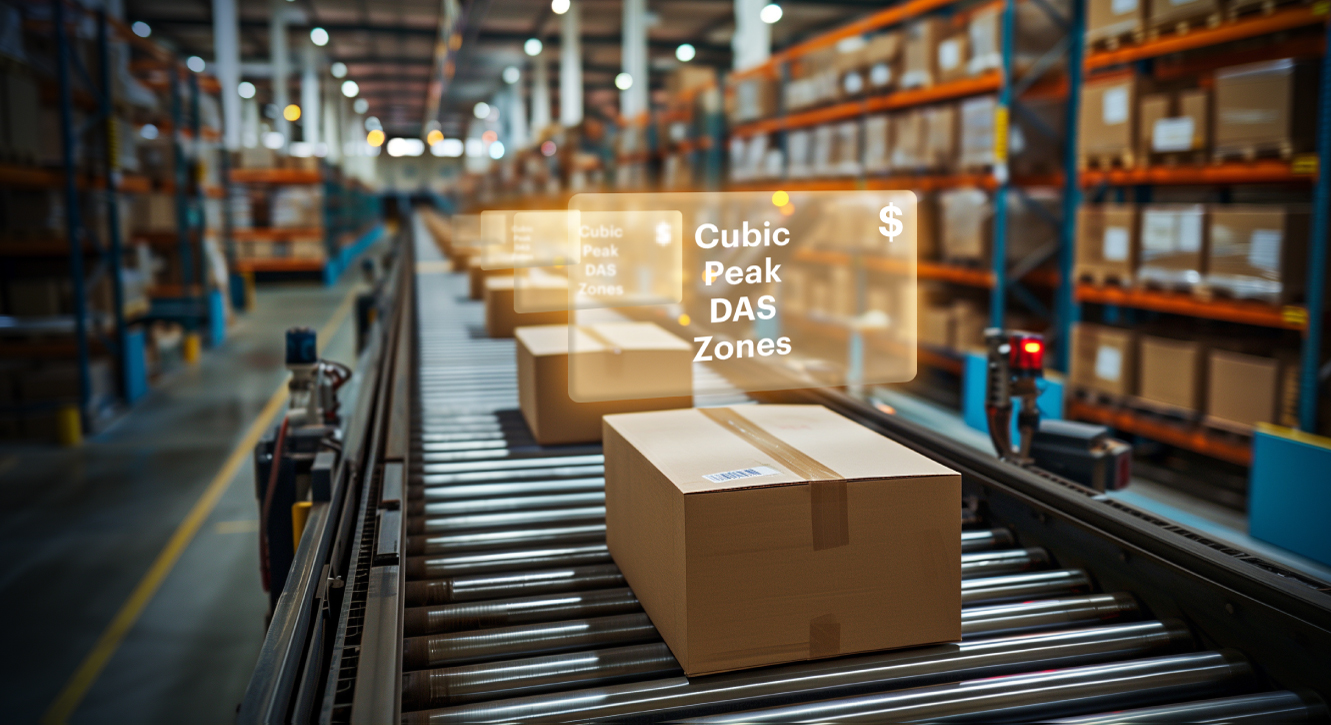
If you plan parcel budgets, you already juggle service, cost and customer promise. A flat 5.9% GRI sounds simple. It is not. The headline at FedEx and UPS is the same, but the rules under the hood are changing in ways that raise real-world spend. New cubic dimensional triggers pull more packages into Additional Handling and Large Package Surcharges. Peak programs stack seasonal fees on top of base and minimums. Delivery Area Surcharge (DAS) updates and ZIP to zone changes shift geography costs. Timing choices pull higher rates into late December for UPS. The through-line is clear: if you budget to the average, you will likely understate your costs.
Here is a concise, action-focused guide you can skim and share with your team. Each section starts with a quick setup for context, then bullets that highlight the decisions that matter most.
The Headline
Even with the same headline GRI at both carriers, most networks will see higher all-in increases once rule changes and surcharges apply.
- Both carriers set a 5.9% GRI for 2026 across domestic, export and import services.
- Most shippers will see higher all-in costs due to accessorials, cubic rules, DAS, zonal shifts and peak fees.
What is Driving Costs Above the Headline
Cubic dimensional changes expand how Additional Handling and Large Package Surcharges apply. This captures more bulky, low-density cartons and raises fee incidence.
- New cubic dimensional qualifiers expand Additional Handling (AH) and Large Package Surcharge (LPS) incidence.
- Bulky, low-density categories are most exposed: home goods, bedding, decor, pet supplies, lightweight components.
- More cartons qualify on cubic volume even when length plus girth has not changed.
- Residential-heavy networks feel the change more.
Peak Programs Act Like a Second Rate Increase
Seasonal programs layer on top of base rates and minimums. Secondary windows and step ups concentrate the highest costs in Q4.
- Segmented peak windows add cost on top of base rates and minimums.
- UPS uses per package demand minimums and raises them in the secondary peak window.
- FedEx maintains broad demand surcharges and peaking factors for high volume residential shippers.
- For many networks these layers are the largest driver of Q4 cost creep.
Geography and Timing Amplify the Impact
Updates to DAS and zone tables change where and how often fees hit. Effective dates also pull higher pricing into late December for UPS.
- FedEx highlights Delivery Area Surcharge uplift. Ground DAS up roughly 6.1% on average.
- UPS updates ZIP to zone tables and DAS effective Dec 22, 2025, shifting zone distances and surcharge exposure.
- UPS starts 2026 pricing on Dec 22, 2025, inserting an extra pre-holiday week at higher base rates.
- FedEx starts Jan 5, 2026, but 2025 FedEx peak surcharges still elevate Q4 spend.
FedEx vs UPS: Where They Diverge
The carriers share the headline but differ in accessorial posture, timing and cubic mechanics. Those differences matter in planning and negotiation.
- FedEx accessorials rise about 5.5% to 6.0%. Commercial Oversize aligns to Residential Oversize, roughly 22% higher for that category.
- UPS frames 2026 changes as sub 10% vs late 2025, but mid-year 2025 increases to AH and LPS and a Zones 5–6 tier raise cumulative impact.
- FedEx cubic adds volume to AH and volume plus weight to Oversize effective Jan 12, 2026.
- UPS cubic thresholds effective Jan 26, 2026: 10,368 in³ for AH and 17,280 in³ for LPS, in addition to length plus girth.
Who Feels It Most in 2026
Not every shipper will feel this the same way. Profiles with more residential, longer zones and low-density packaging take the brunt. Air reliance during holiday cutover adds another layer of risk.
- E commerce networks with a high residential mix and long zone delivery.
- Bulky or lightweight categories with low pack density.
- Air reliant shippers during holiday cutover windows.
- Shippers with meaningful DAS exposure into exurban or remote ZIPs.
What To Do Now and the Bottom Line
Start with a quick diagnostic to see where you are most exposed, then prioritize a few high impact levers. The specifics will vary by product mix, zones and contract terms. Planning to the 5.9% average will undershoot for many shippers because the biggest drivers are cubic triggered AH and LPS, peak layers and DAS and zonal shifts.
- Reprice a representative slice of 2025 shipments under 2026 rules to size the gap.
- Pressure test a few key SKUs for cubic triggers and DAS exposure.
- Identify one or two Q4 playbook moves that pull volume out of the priciest windows.
Ready for a deeper read and targeted actions for your profile? Connect with a Transportation Insight parcel expert for a concise 2026 parcel impact review and start building a practical plan to lower your total delivered cost.
About Author:





On this article:
Sign up for the TI newsletter to get exclusive updates.