





Parcel costs are set to rise again in 2026. General Rate Increases (GRIs), new dimensional rules, Delivery Area Surcharges (DAS) and seasonal demand fees will compound into meaningful pressure on contribution margin. There is no single lever that offsets all of it. The shippers who stay in control run an integrated playbook across packaging, network, service strategy and commercial terms, tuned to their product mix, lanes and customer expectations.
Below is a focused, practical plan to protect margin while maintaining the experience your customers expect.
Packaging: Engineer Away from Accessorial Triggers
Small physical changes can prevent big financial penalties. In 2026, tighter dimensional rules and carrier-specific accessorials make carton geometry and pack density more consequential than ever.
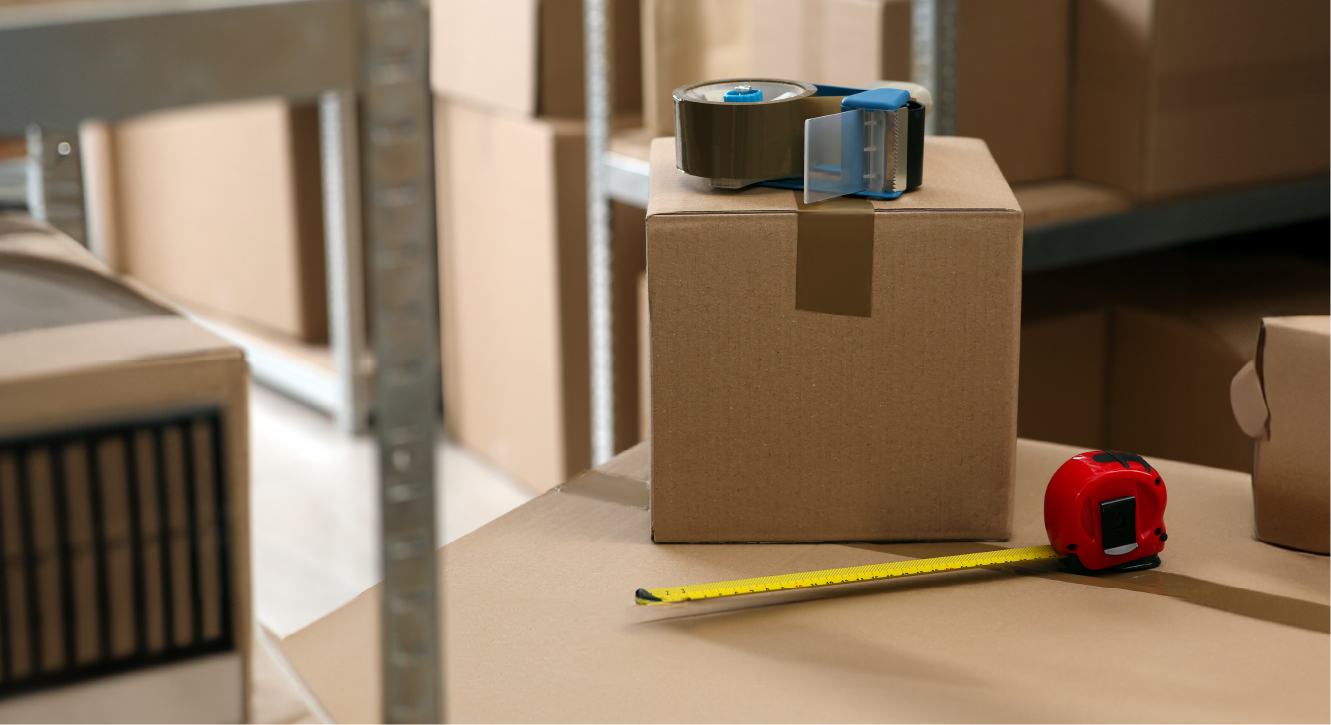
- Redesign cartons to avoid cubic and girth triggers. Optimize dimensions to reduce “length plus girth” and test incremental changes that keep you under threshold cutoffs. Small adjustments can be the difference between a standard move and a costly Additional Handling/Large Package Surcharge (AH/LPS) hit under the 2026 rules.
- Increase pack density and deploy right-size, on demand boxing. Right-sizing lowers dimensional weight (DIM) and reduces the odds of crossing volume thresholds that trigger cubic pricing or AH/LPS.
- Target SKU outliers that drive the most penalties. Start with bulky, lightweight items and outsized boxes that frequently exceed “length plus girth” ceilings. Redesign or kitting changes for the top 10–20 offenders often deliver outsized savings or leverage a BOPIS model, if available, for the most impacted products.
Execution tips:
- Establish a parcel audit partnership to review AH/LPS exceptions weekly.
- Run A/B test shipment analysis for redesigned cartons to validate post-change DIM, cube and damage rates before scaling.
Network: Shorten Distances and Lower Delivery Area Surcharge (DAS) Exposure
Network tuning both reduces base transportation expense and limits surcharge incidence. In 2026, rethinking injection points and inventory positioning can materially lower delivered cost, especially for residential and exurban flows.
- Use zone skipping and regional carrier injections. Linehaul consolidated volumes to destination-region sort centers or regional carriers to shorten average zones and reduce DAS exposure on the last mile.
- Rebalance inventory for high-demand SKUs. Even partial reallocation toward demand clusters can pull down average zone and lower the probability of DAS and extended area surcharges.
- Build contingency service maps for peak. Preplan how you will re-route or re-select services to avoid secondary peak windows when feasible. In some networks, moving a ship date forward by a week avoids stepped-up demand minimums.
Execution tips:
- Maintain a rolling “DAS heat map” at the 3digit ZIP and zone level to identify concentrations and test alternate injection points.
- Pilot regional carriers in the densest corridors where service parity is acceptable; measure delivered cost, ontime performance and claims before broader rollout.
Commercial Terms: Address Where the Dollars Are
Contract economics determine how much of the 2026 cost stack you absorb. Target the accessorials and periods where your exposure concentrates.
- Seek caps or waivers on Additional Handling/Large Package Surcharge (AH/LPS) where your exposure is highest. Prioritize SKUs and lanes most likely to cross new cubic or girth thresholds.
- Negotiate Delivery Area Surcharges (DAS) for lanes with high incidence and stable volume. Request transparency on any ZIP to zone table changes affecting your flows.
- Push for clarity or concessions on demand minimums and secondary peak windows.
- Document how cubic applicability will be measured and enforced at both carriers. Align on carton measurement standards, auditing frequency and dispute processes.
Execution tips:
- Bring lane-level evidence: show 12–18 months of surcharge incidence by ZIP, service and SKU to justify caps or corridor-specific concessions.
- Ask for audit-safe language on measurement methodology (e.g., camera-based dimensioning parameters) and a defined remediation window for disputed charges.
How to Measure Success
A playbook is only as strong as its scoreboard. Make results visible weekly and tie them to contribution margin.
Core Key Performance Indicators (KPIs):
- AH/LPS incidence rate and average AH/LPS dollars per package.
- Delivery Area Surcharge (DAS) dollars per package and DAS incidence rate by ZIP and zone.
- Service mix and on-time performance by channel and SKU cluster.
Operating cadence:
- Maintain weekly Quarter 4 (Q4) scorecard tracking demand fees, minimums, surcharge mix and service mix.
- Tie the scorecard back to contribution margin by SKU and channel; flag the top 10 SKU and lane opportunities for the next packaging or network sprint.
- Review with stakeholders (finance, marketing, eCommerce, operations) to align promos and service promises with logistics reality.
Ready to build your 2026 cost-containment playbook? Connect with a Transportation Insight parcel expert today.