
- Solutions
Back to Knowledge Center
USPS Is Shifting. Is Your Parcel Strategy Ready?
USPS pricing changes are reshaping shipping costs. See how dimensional weight, hazmat fees and Ground Advantage impact your parcel strategy.
May 27, 2026 — 5 Min Read
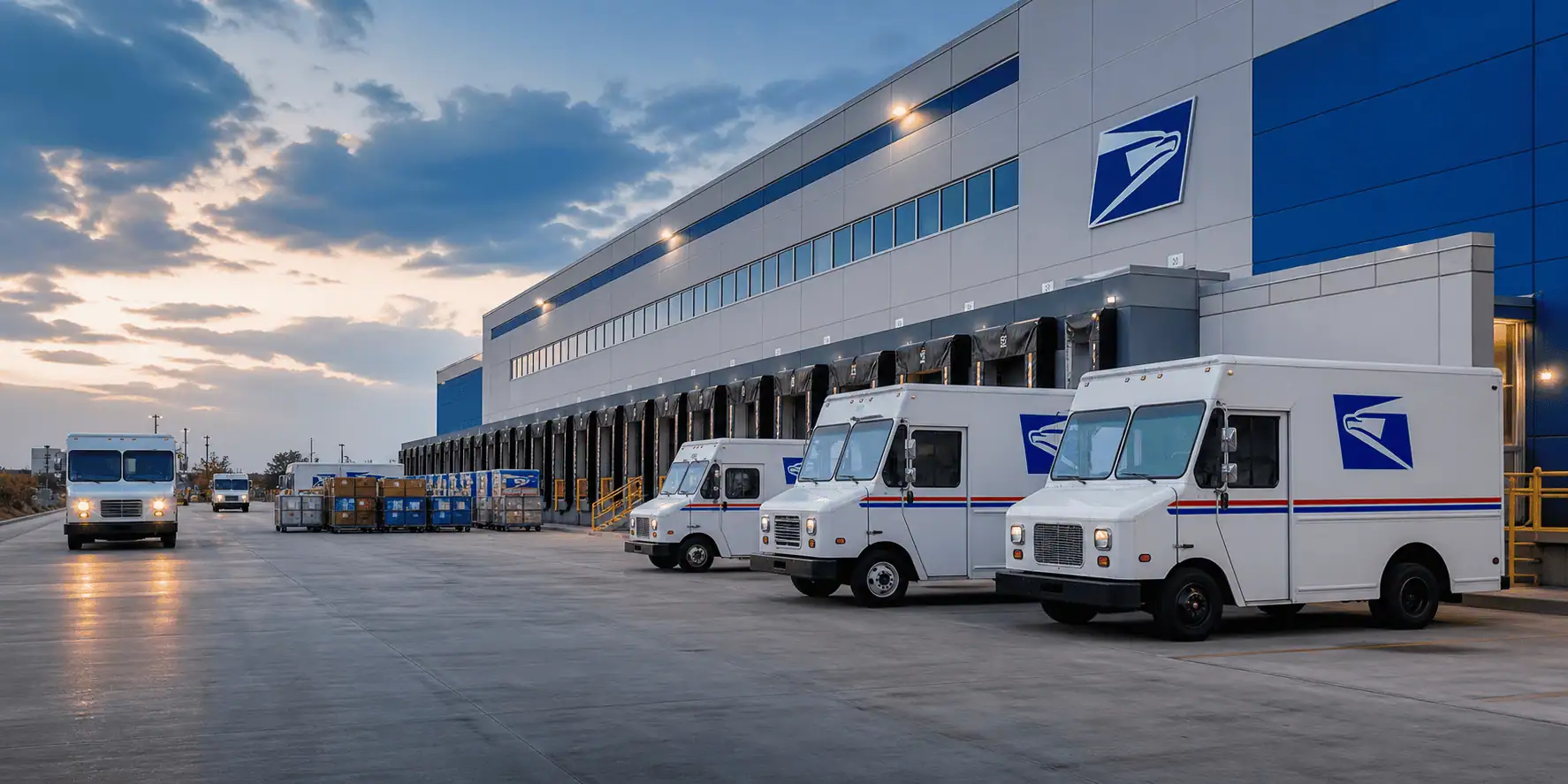
One of the biggest reasons shippers turned to the United States Postal Service (USPS) was simple: it often delivered attractive parcel economics without the pricing complexity common among private carriers.
That is changing fast.
On July 12, 2026, USPS will put several package pricing changes into effect, including modifications to the Commercial USPS Ground Advantage product, dimensional-weight alignment and new hazardous materials fees. Together, these changes mark a significant move toward the pricing structure of private carriers.
For parcel shippers, this is more than a routine update. It fundamentally changes how USPS prices packages, how shipment characteristics affect cost and how much confidence you can place in old assumptions about USPS as a simpler low-cost option.
What Changes on July 12, 2026?
USPS is making three changes that stand out.
First, USPS is removing ounce-based rate differentiation from published Commercial USPS Ground Advantage prices. That change does not affect customers with negotiated commercial Ground Advantage rates.
Second, USPS is applying industry-standard dimensional-weight divisors to Priority Mail Express, Priority Mail, USPS Ground Advantage and Parcel Select.
Third, USPS is adding hazardous materials handling fees to Priority Mail Express and Priority Mail. It is also charging a noncompliance fee for improperly prepared hazardous material items that move through competitive package products.
Taken together, these moves give dimensions, package preparation and shipment profile more influence over total parcel cost.
Why These USPS Changes Matter For Parcel Shippers
These changes matter because they go beyond published rates.
USPS is moving pricing more in line with UPS and FedEx. It is also aligning dimensional pricing more closely with those carriers, increasing pricing pressure and shrinking part of the historical USPS advantage.
That shift creates risk for shippers who still view USPS through an older lens: lower cost, simpler pricing and fewer fee mechanisms.
The cost impact will not show up in one clean line item. Dimensions change the math. Hazmat fees add cost in narrower but important parts of the shipment profile. Ground Advantage pricing updates can also change how certain packages compare with other carrier options.
This is not just a rate update. It is a strategy signal.
How These Changes Can Affect Shipping Costs
These changes will make true parcel cost more dependent on shipment characteristics.
Headline rates will not tell the full story when dimensional-weight rules and handling fees carry more weight in the final parcel invoice. If you do not model those changes across your shipment profile, you will miss where costs actually rise.
This is especially important if your parcel program still relies on historical USPS advantages. USPS may still fit parts of your network well, but you now need current data to prove that.
What Parcel Shippers Should Do Now
Start with a targeted review of your USPS exposure. Prepare for when your NSA expires.
Look at where USPS supports your network today. Break out the shipment profiles that depend most on Ground Advantage, Priority Mail and Parcel Select. Then test how dimensional changes, fee exposure and pricing updates affect those profiles.
Focus on questions like these:
- Which packages become more expensive once dimensional-weight rules apply?
- Where do hazardous materials fees create new cost pressure?
- Which shipment profiles still make sense with USPS?
- Where does another carrier now outperform USPS on true total cost?
- How quickly can your current reporting surface those changes?
Those answers matter more than any single headline rate.
Why This Shift Reaches Beyond USPS
USPS does not move in a vacuum.
Recent shipper and carrier conversations point to a more unstable transportation market, where small changes can create outsized cost effects and cost pressure can build quickly across modes.
Parcel shipping follows that same pattern. Carriers keep refining pricing, tightening rules and pushing closer alignment between package characteristics and actual revenue capture.
That trend raises the bar for shippers. You need sharper visibility, faster analysis and better decision discipline than you needed a few years ago.
How a Parcel Spend Management Partner Helps
Most shippers do not struggle because they lack rate sheets. They struggle because pricing complexity hides the real cost story.
Having parcel spend management experts in your corner helps you find that story faster.
They will connect invoice detail to shipment characteristics, show you where dimensions or fees drive spend, analyze carrier choices more accurately and help you spot when a pricing change creates a structural issue rather than a temporary bump.
That changes the role parcel strategy plays in your business.
Instead of reacting after margins slip, you can identify cost pressure earlier and make better routing, packaging and carrier decisions before those costs spread.
The Bottom Line
The USPS changes taking effect on July 12, 2026, mark a structural shift in how USPS prices parcels.
If your parcel strategy still depends on yesterday’s USPS advantage, you are already behind.
The real question is not whether USPS changed. It is whether you will move fast enough to keep those changes from eroding cost, margin and service across your network.
About Author:
More Blogs






On this article:
Sign up for the TI newsletter to get exclusive updates.