
- Solutions
Back to Knowledge Center
Control Drayage Costs with a Managed Approach
A container drayage move involves many steps with variable costs. Here’s how to avoid expensive surprises on your final drayage invoice.
Jun 12, 2025 — 3 Min Read
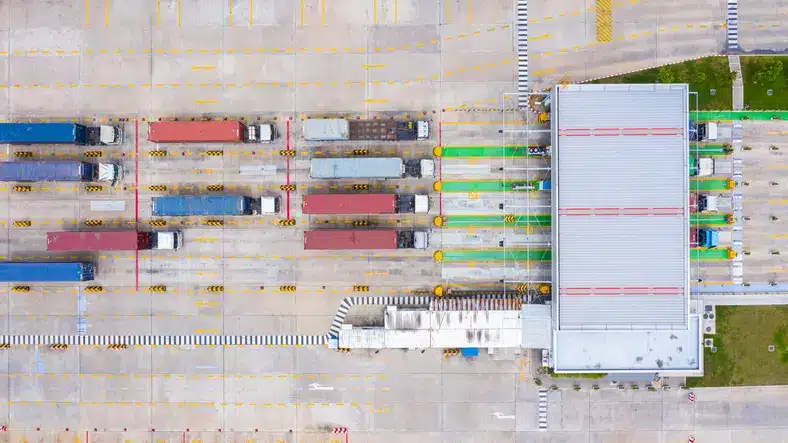
Drayage plays a critical role in global freight movement. As the connection between ocean ports, rail terminals and inland destinations, it’s one of the most operationally sensitive and cost-volatile legs of the supply chain. When drayage isn’t managed effectively, shippers face invoice surprises, delays and unnecessary spend.
A managed drayage strategy helps reduce these risks. By coordinating container pickup, chassis availability, dwell time and documentation under a single point of control, shippers gain visibility and predictability across a complex process.
Why Drayage Costs Often Surprise Shippers
Drayage isn’t just a short truck move. It involves:
- Port scheduling and carrier coordination
- Terminal congestion and dwell time tracking
- Chassis access and split move scenarios
- Adherence to free time limits to avoid demurrage or detention
- Additional costs like fuel, tolls and port access fees
These variables can trigger extra charges that don’t show up until after delivery, making it difficult to calculate true landed cost or reconcile freight invoices quickly.
The Case for a Managed Drayage Solution
A managed drayage service streamlines every step of the process:
1. Centralized Coordination
One partner handles scheduling, dispatch, port appointments and container returns, reducing communication gaps and missteps.2. Cost Transparency
With contracted rates and clear accessorial tracking, shippers gain cost predictability before the invoice arrives.3. Detention and Demurrage Mitigation
Active monitoring of free time, return windows and container status helps avoid unnecessary charges and delays.4. Consistent Carrier Performance
A vetted carrier network ensures reliable service, responsive communication and agility when port conditions change.5. Scalable Execution
Whether moving 10 or 10,000 containers each month, managed drayage adapts to volume without sacrificing control.Long-Term Value for Growing Supply Chains
As containerized freight becomes more central to global sourcing and fulfillment, unmanaged drayage can quietly drive up total logistics costs. A managed approach supports:
- More accurate landed cost and margin control
- Fewer invoice disputes and chargebacks
- Less manual effort for logistics and accounting teams
- More reliable lead times and better service to customers
Managed Drayage in Practice
Transportation Insight manages tens of thousands of drayage moves every month across North America. Our approach integrates data visibility, port expertise and a trusted carrier network to help shippers control costs, reduce risk and streamline operations.
Ready to Take Control of Your Drayage Spend?
Whether you’re moving containers through West Coast ports, Gulf terminals or inland rail hubs, a managed drayage strategy helps you avoid hidden charges and optimize every container move.
Talk to our team about simplifying your drayage process.
About Author:





On this article:
Sign Up for the TI Newsletter